Previous post


Abdulrahman Mohamed El-Sayed wrote about 9/11. Those posts were later deleted. CBS News reported on them, and right on cue came the accusations of racism and Islamophobia. It has become a familiar playbook: instead of arguing about what someone actually said, accuse the person asking questions of bigotry and hope everybody else gets the message to shut up.
🚨 CBS reports that Abdul El-Sayed is now deleting old tweets regarding 9/11 pic.twitter.com/MbFB3niTx9
— DSA Watch (@DSA_Watch) August 31, 2026
And “Islamophobia” is particularly useful for that purpose. It isn’t a medical diagnosis, any more than Trump Derangement Syndrome is a medical diagnosis. Both are labels people use to describe what they see in someone else’s thinking or behavior. Yet “Islamophobia” increasingly gets tossed at anyone who dares to question anything related to Islam and, apparently, anyone who reports the public statements of a Muslim politician.
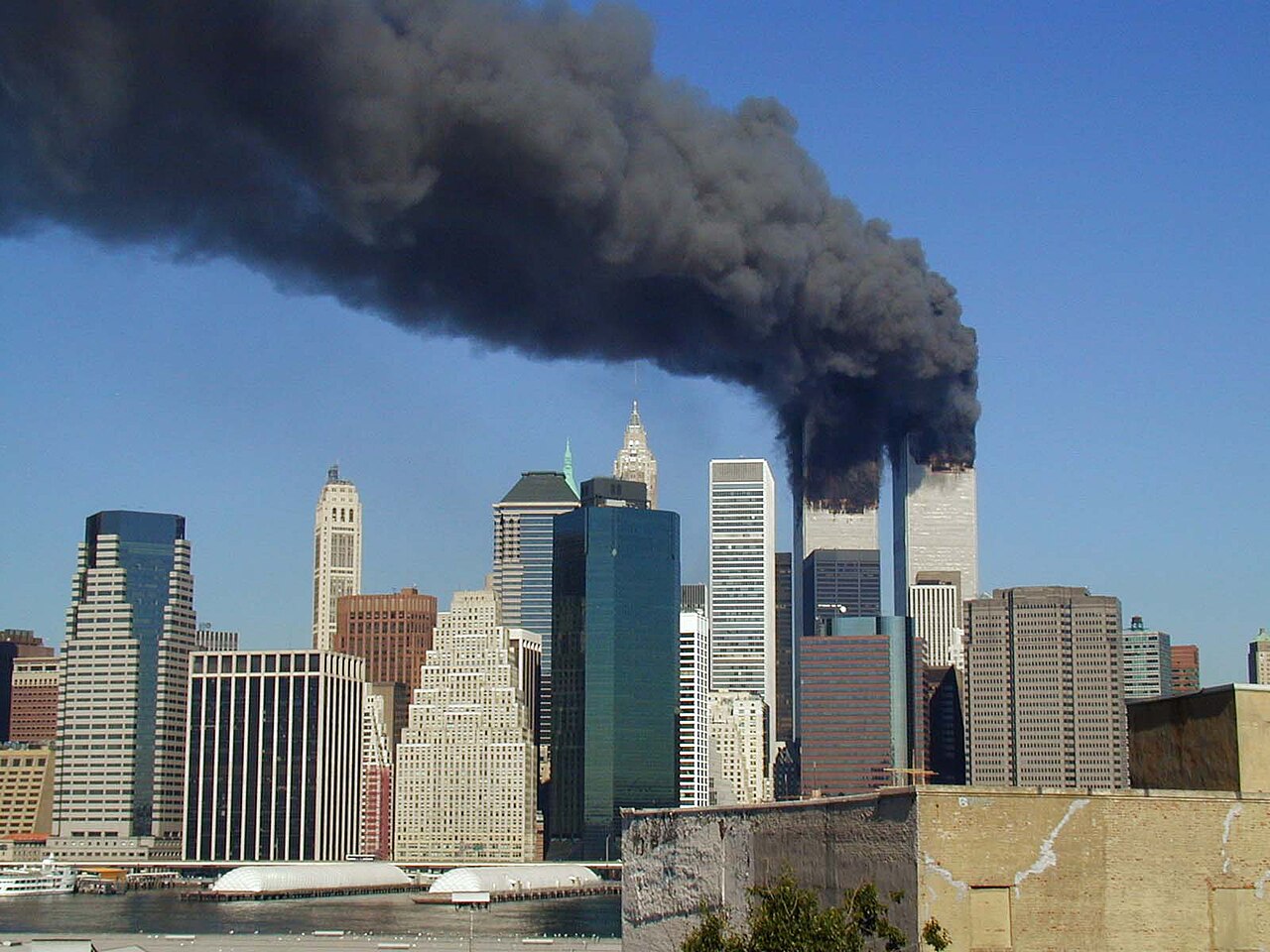
And today is September 1, 2026. We are ten days away from the 25th anniversary of September 11, 2001. For those of us who lived through that day, twenty-five years doesn’t make it ancient history. Nearly 3,000 people were murdered by Islamist terrorists on American soil. We watched it happen. We remember what this country looked and felt like afterward, and we certainly don’t need permission to talk about it plainly.
Abdul El-Sayed:
“In what world would you condemn Hasan Piker for saying America deserved 9/11?” pic.twitter.com/FFepc47agN
— Eyal Yakoby (@EYakoby) August 29, 2026
On the twentieth anniversary of 9/11, El-Sayed did say he mourned the nearly 3,000 people killed and thousands injured in New York, calling the attack something “perpetuated ignorantly in the name of my faith.”
But he didn’t stop there.
In the very same post, he pivoted to the roughly one million lives he said were lost in Iraq, Afghanistan and Pakistan, saying those deaths were “perpetuated ignorantly in the name of my country.”
And that’s the point his defenders seem determined to skate right past. El-Sayed didn’t simply post a remembrance of Americans murdered on 9/11. He chose the anniversary of 9/11 to put those victims alongside the casualties of America’s subsequent wars and draw a parallel between the two: what terrorists did in the name of his faith, and what America did in the name of his country.
This is what Abdul El-Sayed posted on the anniversary of 9/11: pic.twitter.com/UPnFGLtMse
— TheBlaze (@theblaze) August 31, 2026
But that’s where we are.
Mehdi Hasan called the CBS framing offensive, disgusting, and Islamophobic. Of course he did. Never-Trump Bulwark commentator Tim Miller called the story “anti-Muslim.” Rep. Yassamin Ansari called the headline racist. Others piled on because CBS dared to connect a Muslim Senate candidate to 9/11.
Hi @CBS @CBSNews @bariweiss do you think it’s super offensive and disgusting and Islamophobic to do a tweet about the potential first ever Muslim Democratic senator which begins by referencing 9/11? https://t.co/vLWH0BWF7D
— Mehdi Hasan (@mehdirhasan) August 31, 2026
Except CBS didn’t make the connection. El-Sayed did.
He wrote about September 11. He is now running for the United States Senate. We are approaching the 25th anniversary of the attack. What exactly are reporters supposed to do? Pretend those posts don’t exist because mentioning them might make someone uncomfortable?
El-Sayed’s campaign says older posts were scrubbed earlier this summer to prevent them from being taken out of context. Fine. Deleting something doesn’t make it disappear, and it certainly doesn’t make it off-limits.
This is bigger than Abdul El-Sayed.
Americans have watched this tactic work for years. Ask an uncomfortable question, and you’re racist. Question certain religious or cultural practices, and you’re a bigot. Criticize Islam, and you’re Islamophobic. Eventually people learn that keeping their mouths shut is easier than being publicly branded something ugly.
Christians should understand exactly where that road leads. If you’re afraid to defend your own beliefs, traditions and values because somebody might attach a nasty label to you, the tactic has worked.
Being Muslim doesn’t put El-Sayed’s own words off limits.
Feature Image: Michael Foran, CC BY 2.0, via Wikimedia Commons




Vivek Ramaswamy’s Ad Brings Out the GOP Pitchforks
https://victorygirlsblog.com/vivek-ramaswamy-ad-brings-out-gop-pitchforks/
Vivek Ramaswamy ran a controversial campaign ad featuring Amy Acton’s estranged mother, and now some of his fellow Republicans are making more noise about it than the...
Continue reading
The
Ilhan Omar Doesn’t Outright Deny That She Married Her Brother
https://victorygirlsblog.com/ilhan-omar-doesnt-outright-deny-that-she-married-her-brother/
Ilhan Omar is in deep, deep trouble. And it looks like she knows it. The raid on her home, and the revelation that the feds have her...
Continue reading
The post Ilhan Omar Doesn’t Outright
Is Trump Finally Getting Results Between Russia And Ukraine?
https://victorygirlsblog.com/is-trump-finally-getting-results-between-russia-and-ukraine/
There is a lot happening on the Russia-Ukraine front right now, and President Trump is celebrating a win. However, with news very much in flux, we should...
Continue reading
The post Is Tru



Leave a Reply